
Feedback
AI Ad Video Example
Loading...
MiniMax H3 to Video
Type out a scene and MiniMax H3 to Video builds it in 2K with the soundtrack baked in — on-screen dialogue, steady characters, no extra audio editing.
All Tools
Discover our comprehensive AI-powered animation toolkit
MiniMax H3
MiniMax H3 AI Video Generator
Seedance 2.0
The Future of AI Video Is Here.
Kling 3.0
Next-Gen AI Video Generator
Grok Video Generator
Create Videos from Text or Images with AI
MiniMax H3 video generator
MiniMax H3 AI Video Generator

Seedance 2.0
The Future of AI Video Is Here.
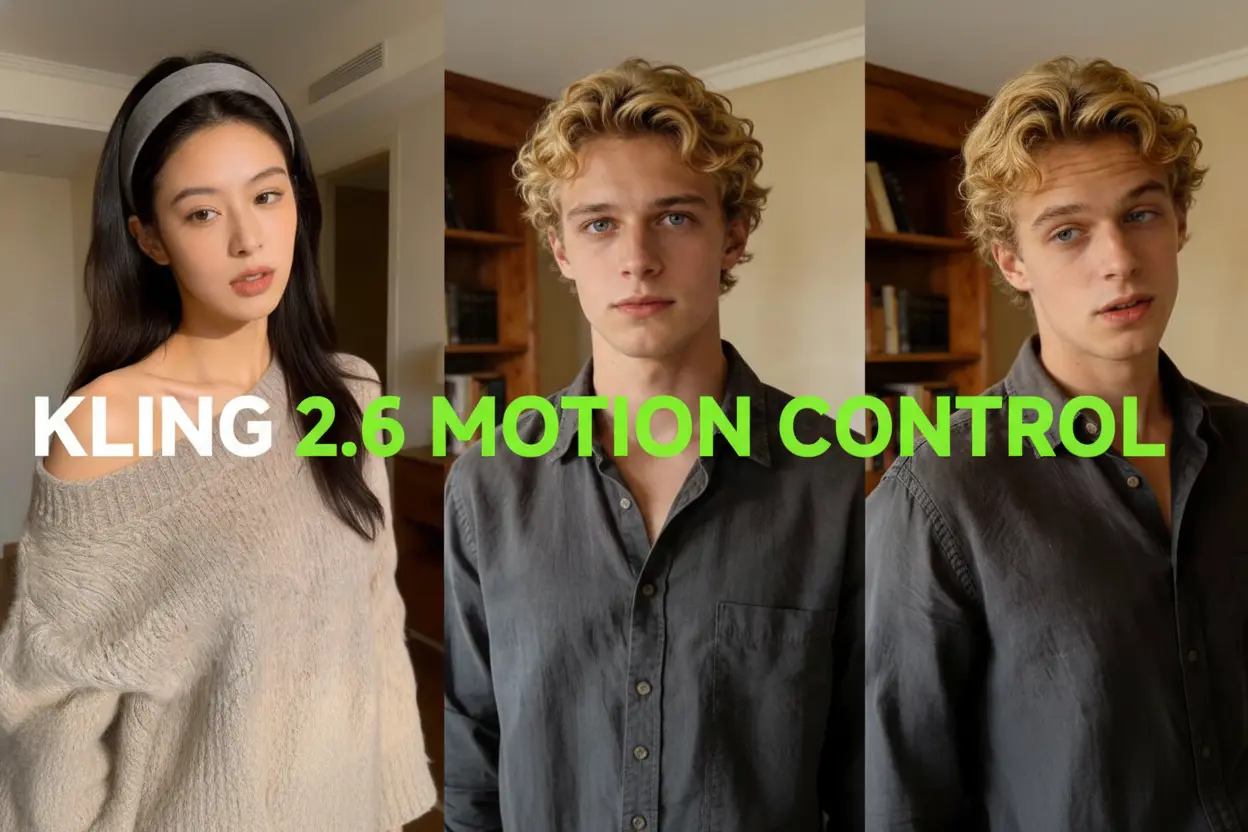
Kling Motion Control
Turn reference images into amazing motion videos in minutes

Suno AI Music Generator
Create Professional Music with AI
What Makes MiniMax H3 to Video Different
Built on MiniMax's H3 model, also known as Hailuo 3.0, MiniMax H3 to Video reads a written scene and hands back a 2K clip whose soundtrack is generated alongside the picture. Dialogue lands on the actor's lips rather than arriving through a separate dubbing pass, and because image and sound share one pass, the moment you give an effect or a cue genuinely shapes the result. Reference files hold faces, locations, and voices steady across shots that resolve in the order you set.
- Written Scene to Moving ClipHand MiniMax H3 to Video a paragraph and it answers with footage whose audio is already mixed in — picture and sound come out of one pass, not two.
- Spoken Lines, No DubbingClose coverage and shot-reverse-shot cutting suit vertical drama; the actor speaks the line as the take is produced by MiniMax H3 to Video, so performance and delivery arrive together.
- Faces and Places That HoldBring up to 9 images, 3 clips, and 3 audio tracks into a single run, each tagged with a purpose — MiniMax H3 to Video draws a face, a location, a motion, or a voice from a fixed source.
Getting Started with MiniMax H3 to Video
Three quick steps take you from a blank canvas to a finished clip with MiniMax H3 to Video on Morphic's endless visual workspace.
Core Capabilities of MiniMax H3 to Video
Sound and picture from one prompt, dialogue that stays on camera, references that hold a look, and multi-shot beats you can time — MiniMax H3 to Video turns a written shot into a finished 2K clip with audio built in.
Prompt-Driven Video with Audio
Describe the scene and receive moving frames that already carry sound — the way you name an effect and place a cue changes what MiniMax H3 to Video hands back.
Dialogue Performed On Screen
Vertical drama relies on close coverage and shot-reverse-shot cutting; the line is voiced while the take is produced by MiniMax H3 to Video, keeping delivery and performance in sync.
Fifteen Reference Slots Per Run
Nine images, three clips, and three audio files can join one run, each assigned a role — MiniMax H3 to Video sources faces, locations, motions, and voices from material you lock down.
Beat-Timed Multi-Shot Builds
Lay the clip out in beats and multiple shots arrive inside a single generation — title cards, interface walkthroughs, and product reveals land in the order you wrote them with MiniMax H3 to Video.
Swap Models, Compare Takes
Renders finish in minutes, so you can set MiniMax H3 to Video results beside other models on the Morphic Canvas and judge them before you commit.
Crisp 2K Delivery
Every export from MiniMax H3 to Video arrives at 2K with its audio already attached — ready for title sequences, interface walkthroughs, and product reveals.
MiniMax H3 to Video — Questions Answered
Answers to the questions people ask most about creating video from text with MiniMax H3 to Video.
What does MiniMax H3 to Video do?
It is MiniMax's H3 model, known too as Hailuo 3.0, offered here as a text-to-video tool. MiniMax H3 to Video reads a written scene and produces a 2K clip whose audio is generated in the same pass as the picture.
Does MiniMax H3 to Video actually make audio?
It does — sound is produced alongside the visuals in one pass. Naming an effect and choosing where a cue falls shifts the outcome, and spoken lines play on camera instead of going through a dubbing step.
What makes the first render come out right?
Include subject, action, camera, light, and the sound you want in your description, then add timings across the clip. When the beats are laid out clearly, MiniMax H3 to Video gets closest on the opening attempt.
Can I supply reference files?
You can — one run with MiniMax H3 to Video accepts as many as 9 images, 3 video clips, and 3 audio files, each given a role: a face, a location, a motion, or a voice drawn from something fixed.
Will it handle multi-shot sequences?
It will — split the clip into beats and several shots return from one generation with MiniMax H3 to Video, so title sequences, interface walkthroughs, and product reveals appear in your written order.
How can I compare MiniMax H3 to Video with other models?
On the Morphic canvas renders arrive in minutes; swap models freely and set MiniMax H3 to Video output beside Kling 3.0, Veo 3.1, Seedance 2.5, and Vidu Q3 before locking in your final cut.
Start Creating with MiniMax H3 to Video
Write the scene once and get a 2K clip with its soundtrack already inside — spoken dialogue, steady references, and multi-shot timing, all through MiniMax H3 to Video on an endless visual canvas.